


The Nature of Luck in Gambling
Luck is a defining factor in the world of casino gaming, often intertwined with the excitement and unpredictability that players seek. The very nature of gambling dictates that outcomes can be random, leading many to believe that luck plays a crucial role in determining success. For instance, in games such as slots and roulette, the outcomes are entirely dependent on chance, leaving players at the mercy of fortune. To get started on their gaming journey, many enthusiasts choose to login GoldenBet and explore various options available to them. This unpredictability enhances the thrill of gaming, allowing players to dream of hitting the jackpot or winning big.
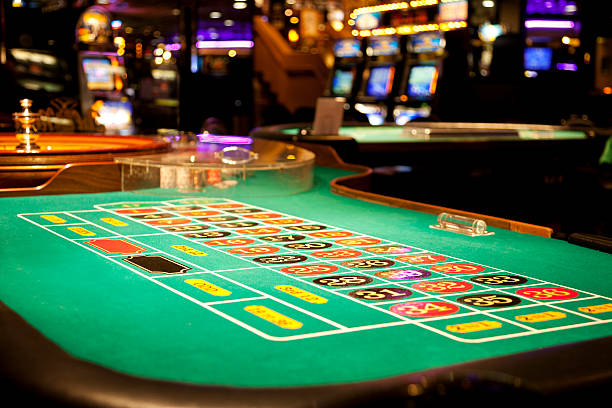
However, the concept of luck isn’t universally accepted as the sole determinant of success in casino gaming. Many players argue that skill, strategy, and even mathematical understanding can influence outcomes, particularly in games like poker and blackjack. In these scenarios, while luck might initially determine the cards dealt or the spin of the wheel, an experienced player can use their knowledge and skills to navigate the game effectively. This duality invites interesting discussions about whether it is possible to measure luck or if it is merely a component of a larger equation.
As such, while luck certainly plays a pivotal role in the gaming experience, it coexists with elements of skill and strategy. This blend raises questions about how to quantify luck in a field where chance, skill, and psychological factors interplay. In essence, while we can acknowledge the existence of luck within casino gaming, quantifying its exact impact can be incredibly challenging.
The Mathematical Perspective on Gaming Outcomes
From a mathematical standpoint, casino games can be analyzed through probabilities and expected outcomes. Each game has its own set of odds, calculated based on the likelihood of winning or losing over time. In games such as craps or blackjack, statistical modeling can predict outcomes based on the actions of players and the house edge. This mathematical structure often leads players to believe that luck is quantifiable through these odds, providing a more tangible approach to measuring luck.
For example, in roulette, the odds are fixed, which means players can calculate their chances of hitting a certain number or color. This numerical framework suggests that while luck remains a component, it is governed by predictable patterns. Through applying probability theories, players can enhance their gaming strategies, leveraging mathematical insights to mitigate the impact of luck on their overall performance. Consequently, understanding probabilities can empower players to make informed decisions, reducing the randomness often associated with luck.
Nevertheless, despite the apparent structure provided by mathematics, gaming outcomes remain unpredictable. The role of luck becomes amplified when players encounter unexpected situations that deviate from calculated probabilities. Such scenarios lead to surprising results that can defy even the most carefully analyzed odds. Therefore, while mathematics gives us a lens to view luck, it doesn’t diminish the excitement of the unexpected, which is an essential aspect of casino gaming.
Psychology and its Influence on Perceptions of Luck
The psychological aspect of gaming creates additional layers to the concept of luck. Players often experience cognitive biases that shape their perceptions of luck and outcomes. For example, the “gambler’s fallacy” suggests that individuals may believe past events influence future outcomes, leading them to perceive themselves as “due” for a win after a series of losses. This psychological phenomenon illustrates how players interpret their experiences through the lens of luck, despite the inherent randomness of gaming.
Moreover, the highs and lows of gambling can significantly impact a player’s mindset, influencing their belief in luck. The excitement of winning can lead to a heightened sense of confidence and control, leading players to attribute their success to skill or luck rather than chance alone. Conversely, a losing streak can create feelings of frustration or helplessness, prompting players to question their luck or gamble more desperately in an attempt to regain control. Understanding these psychological influences helps shed light on how players interact with their perceived luck in the gaming realm.
Acknowledging these cognitive biases is essential for players, as they can lead to irrational decision-making. Instead of relying solely on luck, players benefit from a clear understanding of the psychological forces at play. This knowledge empowers them to make more rational choices based on strategies and probabilities rather than falling prey to their perceptions. Ultimately, while luck remains an integral aspect of casino gaming, the psychological factors at play can significantly influence how players perceive and respond to their fortunes.
The Role of Casino Operations in Measuring Luck
Casino operators employ various strategies to maintain a balance between luck and house advantage, ensuring the sustainability of their business models. The odds in each game are carefully designed to provide the casino with a built-in advantage, ensuring that over time, the house always comes out on top. This means that while individual players may experience streaks of luck, the broader statistical framework guarantees the casino’s profitability by managing the probabilities of winning.
Furthermore, casinos often use player data and analytics to track behavior patterns, identifying what constitutes a “lucky” player versus a “losing” player. By understanding these patterns, casinos can create environments that enhance the perception of luck. For instance, certain games may be marketed as providing better chances of winning, regardless of the mathematically proven odds. This marketing strategy directly influences players’ perceptions of luck, impacting how they approach their gaming experience.
Ultimately, the operations within a casino are designed to manage the balance between luck and house edge. While luck can significantly influence individual experiences, the systematic approach of casino operations ensures that measurements of luck are indirectly reflected in broader business models. This understanding reinforces the notion that luck, while inherent in gaming, is also shaped significantly by the structures and strategies implemented by casino operators.
Conclusion: The Multifaceted Nature of Luck in Casino Gaming
In conclusion, luck in casino gaming is a multifaceted concept that intertwines with skill, psychology, and operational strategies. While luck undoubtedly plays a vital role in determining outcomes, it cannot be viewed in isolation. The mathematical probabilities provide a framework for understanding how luck operates within games, while psychological influences shape player perceptions and behaviors. Casino operators further complicate the narrative by designing experiences that manipulate perceptions of luck to sustain their business models.
Overall, measuring luck remains a challenge due to its inherent randomness and the subjective nature of individual experiences. As players navigate through the world of casino gaming, they must recognize that while luck is an essential component of the experience, it is not the only factor at play. A comprehensive understanding of the interplay between luck, skill, and external influences can enrich the gaming experience, ultimately leading to a more successful approach to gambling.
As you embrace the excitement of casino gaming, consider exploring various strategies and insights that can help enhance your experience. The interplay of luck and skill offers endless potential, inviting players to engage with the games in a way that embraces both chance and thoughtful decision-making. Remember, while luck may play its part, informed choices and an understanding of the gaming landscape can lead to a more balanced and rewarding experience.